Product Experts

The 7 Best Wildlife Cameras of 2026

Our Best Picks

Based on 1K+ reviews

Why We Chose This Product:

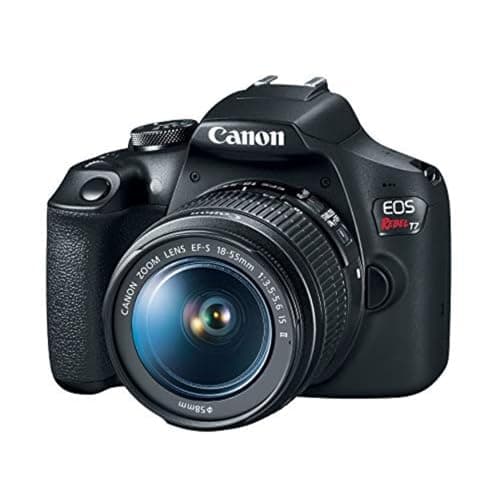
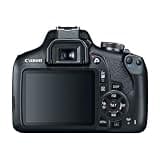
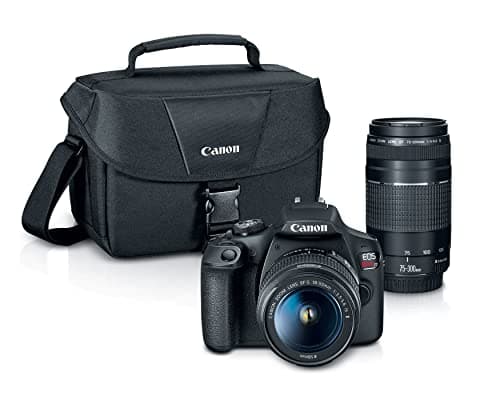
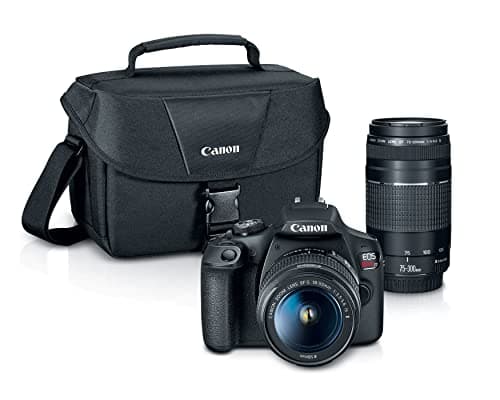
Earning the top spot for its unmatched combination of image quality and genuine optical reach, this dual-lens kit provides a professional foundation. The true 480mm equivalent telephoto lens ensures crisp, uncropped wildlife shots with natural background blur.

Who Is It For:

Active wildlife photographers looking for a serious, entry-level DSLR setup. Ideal for capturing distant subjects in varied lighting conditions like dawn or dusk.

Professional-grade RAW image quality

Excellent true optical reach for distant birds

Bulkier to carry than compact bridge cameras

Tech specs:

Sensor/Resolution
24.1MP APS-C
Optical Reach
480mm Equivalent
Power System
Rechargeable Li-ion
Connectivity
Wi-Fi and NFC
Based on 855+ reviews

Why We Chose This Product:

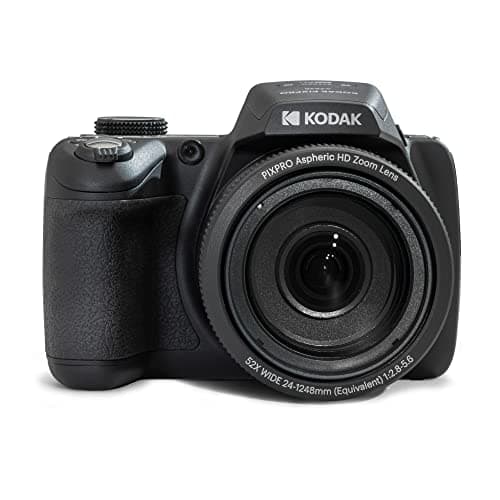
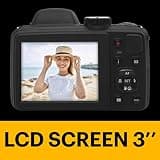
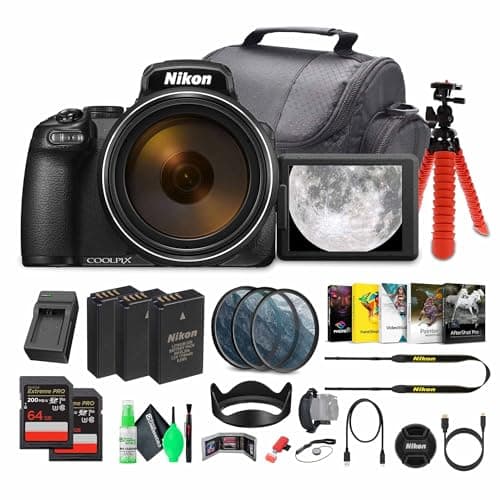
This bridge camera is the ultimate all-in-one solution for extreme magnification, offering an incredible 1248mm equivalent telephoto reach. It entirely removes the cost and hassle of swapping lenses in the field while keeping handheld shots stable.

Who Is It For:

Outdoor enthusiasts who want maximum zoom without carrying heavy interchangeable lenses. Perfect for birdwatching and photographing skittish animals from a safe distance.

Massive 52x optical zoom pulls in distant subjects

Effective optical image stabilization for handheld shots

Smaller 16-megapixel sensor limits post-crop flexibility

Tech specs:

Sensor/Resolution
16MP BSI CMOS
Optical Reach
52x (1248mm Eq.)
Power System
Rechargeable Li-ion
Connectivity
Built-in Wi-Fi
Based on 700+ reviews

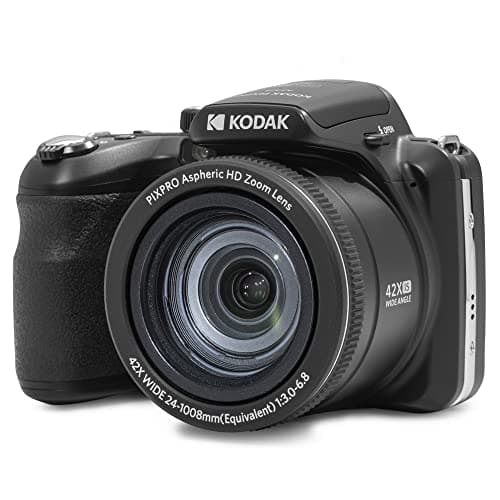
Why We Chose This Product:

Providing a fantastic balance of optical range and sensor detail, this model steps up to a 20-megapixel sensor. The extra resolution gives users significantly more freedom to crop their wildlife images in post-production without losing print quality.

Who Is It For:

Mid-tier users who prioritize sensor resolution and image flexibility over absolute maximum zoom length. Great for casual safaris, nature walks, and zoo trips.

Higher 20MP resolution allows for aggressive cropping

Excellent active image stabilization for sharp photos

Offers slightly less optical reach than the AZ528 model

Tech specs:

Sensor/Resolution
20MP BSI CMOS
Optical Reach
42x Optical Zoom
Power System
Rechargeable Li-ion
Connectivity
SD Card Only
Based on 620+ reviews

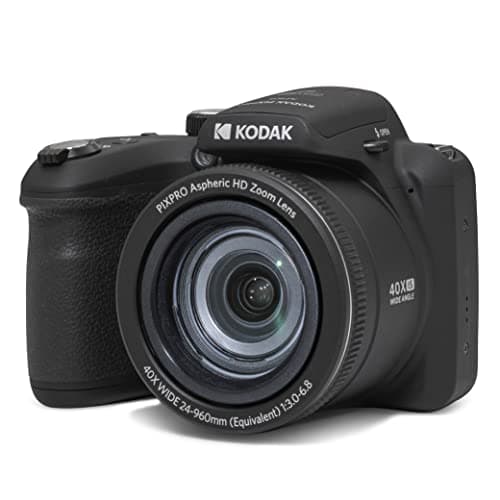
Why We Chose This Product:

Designed specifically for practicality in remote locations, this camera pairs a formidable 40x zoom with the massive advantage of running on standard AA batteries. It ensures you never miss a shot simply because you couldn't find a charging outlet.

Who Is It For:

Backpackers, off-grid travelers, and multi-day hikers exploring remote national parks. Perfect for prolonged outdoor excursions without access to electricity.

Runs on universally available standard AA batteries

Intuitive automatic scene detection for quick shooting

AA batteries add noticeable weight to the camera body

Tech specs:

Sensor/Resolution
20MP CMOS Sensor
Optical Reach
40x Optical Zoom
Power System
Standard AA Batteries
Connectivity
SD Card Only
Based on 1.1K+ reviews

Why We Chose This Product:

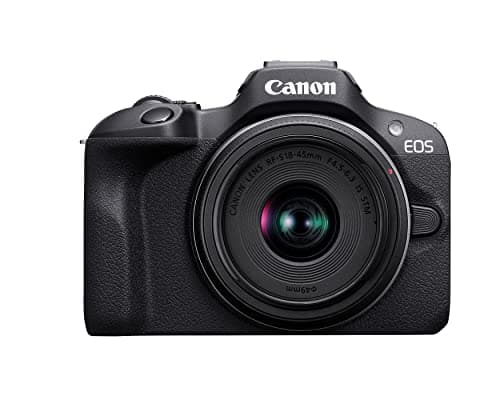
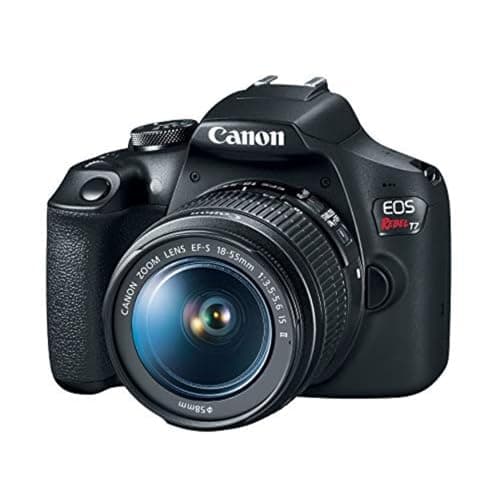
Serving as a premium entry point into the Canon ecosystem, this base kit delivers outstanding sensor performance and low-light capability. It allows buyers to save upfront and invest heavily in specialized wildlife lenses down the road.

Who Is It For:

Aspiring professionals aiming to build a high-end photography kit over time. Ideal for users willing to purchase third-party telephoto or macro glass later on.

Beautiful RAW image quality and wide dynamic range

Gateway to the massive ecosystem of professional lenses

Standard kit lens lacks the reach for distant wildlife

Tech specs:

Sensor/Resolution
24.1MP APS-C
Optical Reach
18-55mm Standard
Power System
Rechargeable Li-ion
Connectivity
Wi-Fi and NFC
Based on 530+ reviews

Why We Chose This Product:

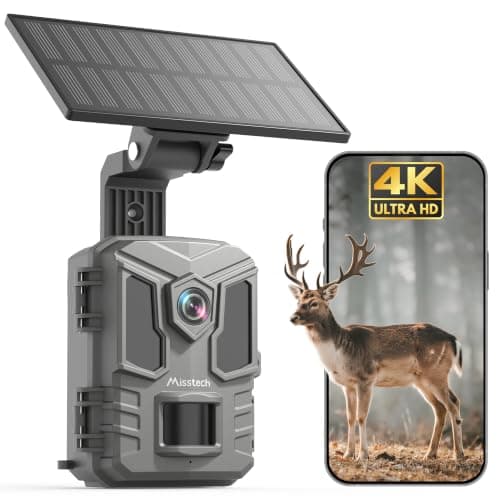
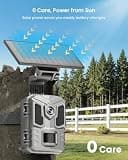
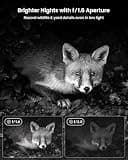
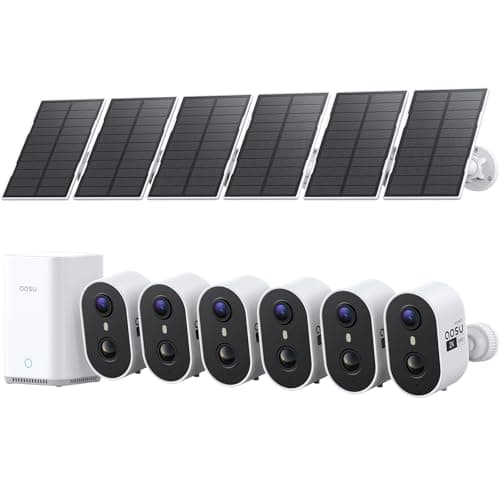
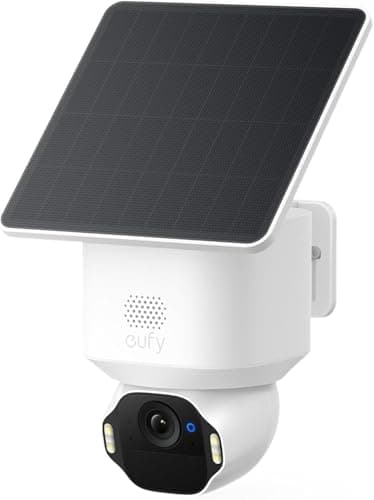
This model redefines passive wildlife monitoring by integrating a solar panel and rechargeable battery, eliminating the chore of field battery swaps. Its high-resolution output and wide-aperture lens capture stunning dawn and dusk activity automatically.

Who Is It For:

Property owners, hunters, and researchers looking for a hands-free, round-the-clock monitoring solution. Excellent for long-term placement in established wildlife corridors.

Set-and-forget integrated solar power system

Razor-sharp 4K Ultra HD video capabilities

App connectivity is strictly limited to 160 feet

Tech specs:

Sensor/Resolution
64MP / 4K Video
Optical Reach
Wide f/1.6 Lens
Power System
Solar and Built-in Battery
Connectivity
Wi-Fi and Bluetooth
Based on 710+ reviews

Why We Chose This Product:

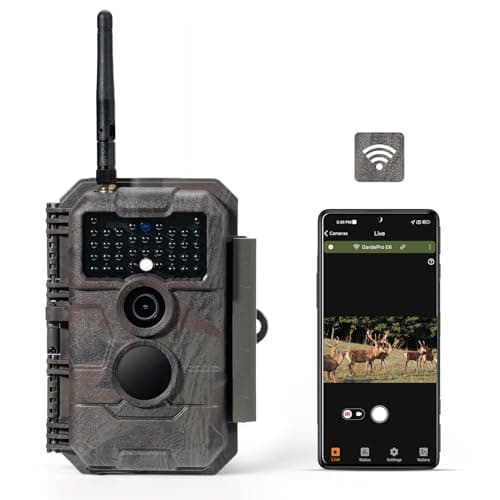
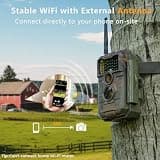
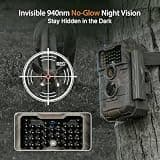
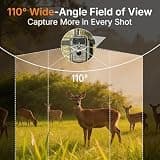
A masterclass in non-invasive observation, this trail camera employs a 940nm no-glow infrared array that won't spook sensitive nocturnal animals. The built-in Wi-Fi allows for easy media downloads without leaving human scent near the camera site.

Who Is It For:

Conservationists and nature lovers seeking stealthy, undisturbed wildlife observation. Perfect for capturing shy, nocturnal animals in the dark without alerting them.

Completely invisible 940nm no-glow infrared night vision

Ultra-wide 110-degree field of view captures edge movement

Remote Wi-Fi access range tops out at 45 feet

Tech specs:

Sensor/Resolution
64MP / 1296p Video
Optical Reach
110-Degree FOV
Power System
Standard AA Batteries
Connectivity
Wi-Fi and Bluetooth

Essential Tips For Choosing The Right camera for wildlife photography

What to Look For in a Wildlife Camera

When shopping for wildlife photography gear, prioritize optical zoom or lens focal length over megapixel count. A true telephoto lens allows you to capture skittish animals from a distance without losing image clarity or relying on blurry digital zoom.

Understanding Trail Cameras vs. Traditional Cameras

Trail cameras are designed for passive, motion-triggered monitoring in the wild, while DSLRs and bridge cameras require active user operation. Choose a trail camera for scouting and nocturnal observation, and a standard camera for artistic wildlife portraits.

Best camera for wildlife photography

The Importance of Image Stabilization

Shooting at high magnifications drastically exaggerates small hand movements, causing blurry images. Always look for cameras or lenses equipped with optical image stabilization (OIS) to ensure sharp handheld shots in the field.

Power Sources and Off-Grid Capability

Consider where you will be shooting and how you will power your device. Integrated solar panels and AA-battery-compatible cameras are lifesavers for off-grid camping, safaris, or multi-week trail deployments where outlets are nonexistent.

Night Vision and Stealth Features

For nocturnal wildlife monitoring, look for trail cameras with 940nm 'no-glow' infrared LEDs. These arrays remain completely invisible to animal eyes, ensuring you capture natural behavior without spooking your subjects.

Frequently asked questions

More products you might love